A BBC Radio Derby presenter has marked 20 years since her preventative double mastectomy, surgery she chose at 24. Becky Measures learned in 2004 that she carried the BRCA1 gene mutation. The fault raised her lifetime risk of breast and ovarian cancer. She did not have cancer. She decided to act before the disease could start.
Her mother took the same path first. Wendy Watson had the surgery in 1992. She was believed to be the first person in the UK to do so. Two decades later, her daughter followed. Both women share the same inherited gene fault.
“Neither of us had cancer, but we knew the risk we faced, and we chose to act before the disease had the chance to,” Measures told the BBC.
A Preventative Double Mastectomy Shared Across Two Generations
The family story spans more than 30 years. Watson acted in 1992, when genetic testing was rare. Measures acted in 2004, soon after her own test result. She became the youngest woman in Britain to have the procedure at that time.
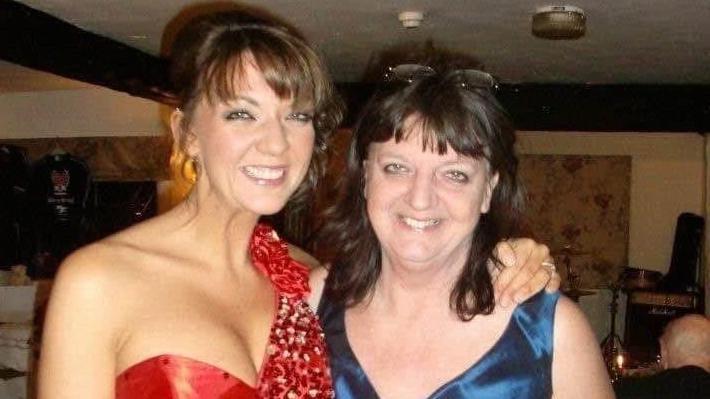
Measures said she was “hugely proud” of how her mother “fought for herself” and for others. The pair have spoken publicly for years. Their aim is simple. They want other families to know their options.
What the BRCA1 Gene Mutation Means
BRCA1 is a gene that helps repair damaged DNA. A harmful change in it can weaken that repair. This raises the risk of breast and ovarian cancer. The fault can pass from parent to child. A child of a carrier has a one-in-two chance of inheriting it.
Carrying the mutation is not a diagnosis. It is a risk marker. Many carriers never develop cancer. Others choose extra screening, medication, or surgery. The right path depends on personal history and medical advice.
Choices Carriers Weigh After a Positive Test
A positive result opens several routes. Some people pick regular MRI scans and mammograms. Some take risk-reducing drugs. Some choose surgery, as Measures and Watson did. Each option carries trade-offs in risk, recovery, and quality of life.
Surgery lowers risk sharply, but it cannot remove it fully. Screening finds cancer early, yet it does not prevent it. Doctors help patients compare these paths. No single answer fits every family.
Evidence, Limits, and Where to Turn
This is one family’s account, not a clinical study. It cannot tell you your own risk. Genetic testing and counseling are the proper first steps. A specialist can explain what a result means for you.
Anyone worried about a family history of cancer should speak to a doctor. Testing is available through the NHS in the UK for eligible people. For more health coverage, see our health desk. This article offers context and analysis, not medical advice.
— Aisha Mensah, health desk, AXO News